Dressed in Identity How Fashion Weaves Cultural Narratives and Personal Stories
- Dolo Brewer
- Apr 22, 2025
- 4 min read

Updated: Oct 7, 2025
Fashion is so much more than just clothing; it is a canvas for our identities and histories. From the vibrant patterns of kente cloth to the soothing hues of indigo-dyed textiles, every piece reflects stories of heritage, spirituality, and individuality. Fashion serves as a shield and a mirror, showcasing not only our personal journeys but also the struggles and triumphs of our cultures.
Clothing has long been a means of communicating identity, belonging, and resistance. In Africa, this connection is particularly profound. Garments serve as vivid markers of status, rites of passage, and symbols of resilience. They carry histories that speak volumes. A beautiful fabric can tell a tale of survival or solidarity.
The Language of Fabric
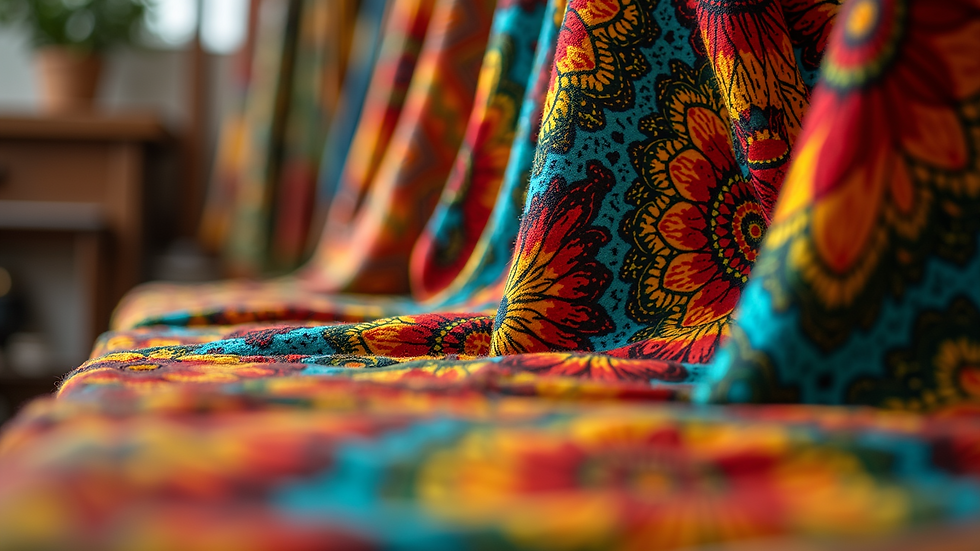
Every fabric we encounter is rich in meaning and history. For instance, in West Africa, a piece of wax print fabric is often referred to as "Angelina" or "Speed Bird," with each name representing a local proverb or story. In East Africa, kangas feature Swahili sayings that impart wisdom across generations. The deep blue of Tuareg indigo in the Sahel does not just provide color; it symbolizes spiritual protection and identity.
These textiles stand apart from mass production. They are meant to be appreciated, understood, and honored. In fact, studies show that countries with rich textile traditions can see a substantial boost in local economies by promoting these unique fabrics, directly benefiting artisans and communities.
Beyond Trends: A Cultural Reclamation
The global fashion landscape often misrepresents or oversimplifies traditional attire. Yet, a remarkable shift is taking place. Designers from the African diaspora and the continent itself are stepping forward to reclaim their narratives. They are merging ancient techniques with modern aesthetics, providing a fresh perspective on luxury and sustainability.
For example, brands like Studio 189 and Anima Iris illustrate how contemporary style can embrace tradition. Studio 189, co-founded by actress Rosario Dawson, prioritizes fair trade and ethical production practices. Similarly, Anima Iris, known for its distinctive bags made by artisans in West Africa, is a testament to the merging of traditional craftsmanship with contemporary fashion demands.
Wearing Our Values
Opting for handmade and ethically sourced clothing means more than just a style choice. It becomes a declaration of support for artisans and fair trade practices. Around 80% of garment workers are women, often in vulnerable situations. By choosing fashion that respects their craftsmanship, we can contribute to empowering these individuals and preserving their artistry.
Wearing clothes that echo our cultural stories helps us to embrace our identities. For instance, when individuals wear traditional clothing during festivals or ceremonies, it fosters a connection to their roots while blending with contemporary trends.
The Intersection of Identity and Fashion
Dressing is not just functional; it is a powerful language that expresses our identities. For many cultures, specific garments are tied to life events such as births, coming of age, weddings, or mourning. These clothes serve as both personal and communal symbols, connecting individuals with their heritage.
Much like language, clothing communicates pride and cultural richness. Consider how the intricate beadwork worn by the Maasai of Kenya is not just decorative but tells stories of love, community, and history. Each piece reflects the wearer's life and the vibrant culture they represent.
The Role of Fashion in Social Movements
Fashion has historically intersected with activism. Clothes can express resistance and solidarity, often carrying political messages. Traditional attire acts as a symbol of cultural preservation and autonomy. The resurgence of indigenous and culturally rooted fashion signifies a collective movement toward embracing and honoring identity.
For instance, in the USA, the #NoDAPL movement saw protestors wearing traditional Native American clothing symbolizing their resistance against environmental encroachments. Designers today are weaving such political narratives into their collections, resonating deeply with both local and global audiences.
The Environmental Impact of Cultural Fashion
As the world grapples with environmental challenges, the fashion industry is undergoing a shift toward sustainability. A recent report suggests that the planet could lose up to 30% of its biodiversity solely due to fast fashion. However, sustainable fashion promotes values that align with cultural practices centered on intention and care in garment production.
Promoting sustainable practices within cultural fashion allows us to honor traditional craftsmanship and ensure that these practices are not lost to the fast fashion frenzy. For example, brands that employ eco-friendly materials not only preserve the environment but also keep traditional skills alive.

Celebrating Diversity Through Fashion
Fashion is a celebration of diversity, showcasing unique expressions from various cultures. The myriad of styles, patterns, and techniques available reflects our global creativity. By embracing these diverse styles, we foster an understanding of different cultures and histories, enriching our collective human experience.
This appreciation goes beyond aesthetics; it encourages dialogue and builds bridges. By wearing items from diverse backgrounds, we can explore and celebrate the stories behind them. For instance, a sarong may hold cultural significance in one region while inspiring trendsetters in another.
Fashion as a Personal Narrative
Ultimately, what we wear tells our unique stories. Each piece gives insight into who we are and the values we hold dear. From the colors of traditional garments to the artisans behind handmade creations, fashion becomes an extension of our identities.
By choosing garments that reflect our stories, we acknowledge the effort and love that went into their creation. This choice underscores that fashion is personal yet profoundly political a reflection of self that honors community history.
Honoring Our Heritage
Navigating a world shaped by globalization requires us to remember the stories interwoven within our textiles. Each clothing choice can connect the past and present, empowering us to celebrate our identities and cultural narratives.
In reclaiming our fashion choices, we advocate for the recognition and respect of the stories that enrich our lives. By embracing fabrics that honor our heritage, we inspire future generations to proudly express their identities.
Together, we can celebrate the beauty of cultural narratives and the transformative power of fashion in telling our stories. What we wear signifies more than clothing; it reflects our essence and connection to the world around us.


Comments